ABI Registry Planning Platform
Designed a digital platform to simplify how councils and applicants manage planning permission submissions, such as environmental projects and tree planting initiatives. Previously, these processes relied on fragmented, paper-based systems that caused delays, lost information, and limited transparency for applicants.
TL;DR
Challenge: Planning submissions relied on fragmented, paper-based systems causing delays, errors, and poor transparency for both applicants and councils.
Solution: Designed a structured digital platform with guided submissions, real-time status tracking, and streamlined review tools for councils.
Impact: 24% faster submissions, 30% fewer review steps, 27% reduction in errors, and full WCAG 2.2 AA compliance.
The Outcome
ABI Registry's platform was created to simplify how councils and applicants manage planning permission submissions, such as environmental projects and tree planting initiatives. Previously, these processes relied on fragmented, paper-based systems that caused delays, lost information, and limited transparency for applicants.
As the sole designer, I designed a digital platform that streamlined document submission and review. Applicants could now upload required documents in a structured way and track progress in real time, while councils had clearer tools for reviewing, requesting updates, and approving projects.
The new system reduced the average submission time by 24%, with 29% fewer errors in document handling during testing. Councils reported that review tasks required 30% fewer steps, and applicants felt more confident due to transparent status tracking and feedback. Accessibility was embedded from the start, aligning with WCAG 2.2 AA standards to ensure the platform worked for a wide range of users.
Manual Processes and Limited Transparency
Planning submissions, such as requests for tree planting or development permissions, were traditionally handled through fragmented, paper-based systems. Applicants had to prepare and deliver multiple documents to different council offices, often with little clarity on whether the submission was complete or progressing.
For councils, reviewing these submissions meant sorting through large volumes of paperwork, emailing back and forth with applicants, and relying on inconsistent processes between departments. This led to several key challenges:
- Time-consuming workflows: Applicants often faced delays while councils manually checked and verified each document.
- High error rates: Missing or incorrectly formatted documents were common, slowing down approvals.
- Poor visibility: Applicants rarely knew the status of their submission and councils had no unified system for tracking progress.
- Inefficiency for councils: Reviewers spent unnecessary time chasing updates instead of focusing on evaluation and decision-making.
The result was frustration for both sides. Applicants lacked confidence in the process, and councils struggled to keep up with demand using outdated systems.
Insights from Stakeholders
To design a system that worked for both councils and applicants, I reviewed the existing submission processes and gathered feedback from stakeholders. This helped me identify where delays and errors were most likely to occur.
Key insights included:
- Applicants lacked clarity: Many struggled to understand which documents were required or whether their submission was complete. This often led to errors and rework.
- Councils needed structure: Reviewers highlighted the difficulty of handling large volumes of unstructured documents across multiple projects. A central dashboard with clear categorisation was essential.
- Communication gaps created delays: Applicants often had to wait days or weeks to find out if their documents had been accepted. Councils wanted a way to send requests and feedback directly through the system.
- Compliance and accessibility: Both sides needed a platform that reduced the risk of missing information and was accessible to a wide range of users, including those with different levels of digital confidence.
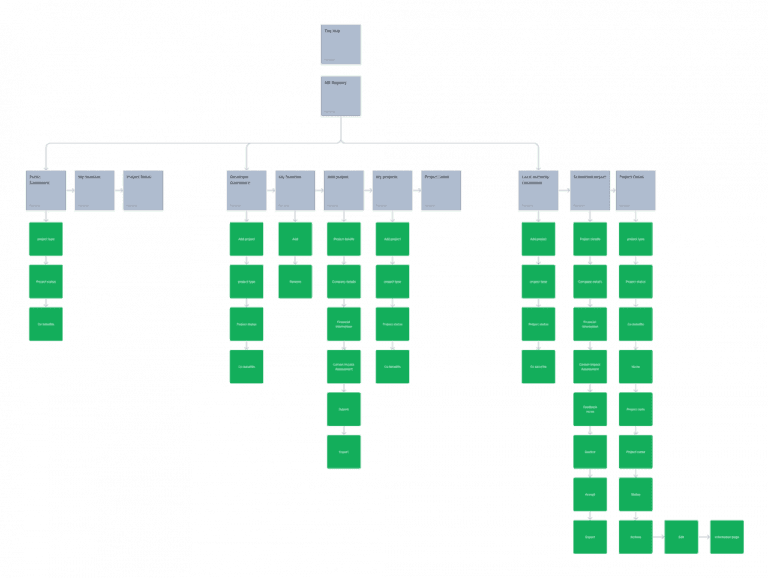
These findings made it clear that the platform needed to guide applicants through structured submission steps, while giving councils tools to review, request changes, and approve more efficiently.
The Approach
As the sole designer, I focused on building a platform that balanced the needs of applicants and councils while reducing the friction of manual processes. The design approach centered on three principles:
Structured Submissions
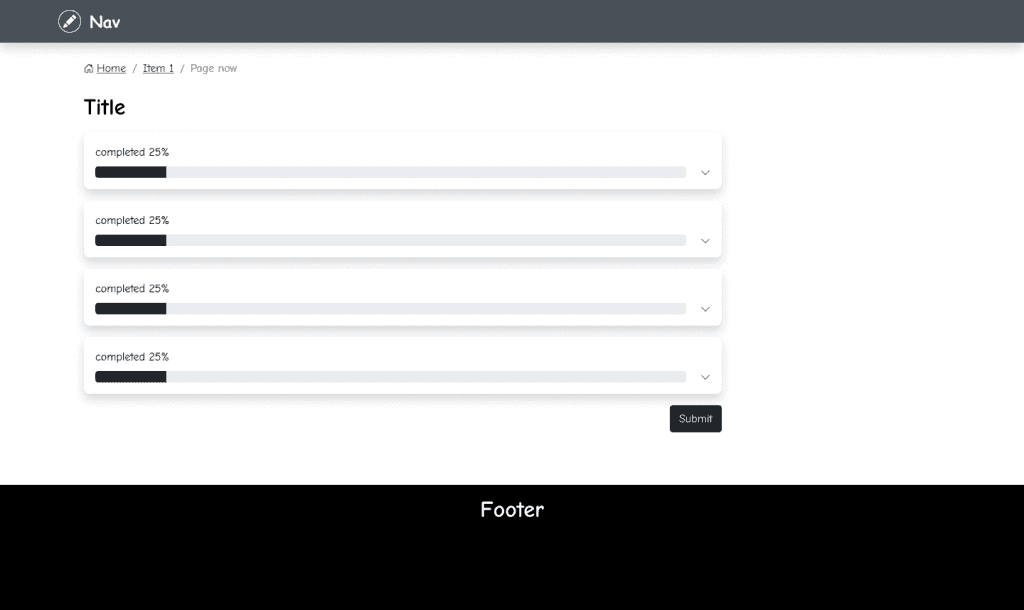
Created a step-by-step submission flow that guided applicants through the required documents. Added validation at each stage to reduce errors and ensure submissions were complete before review.
Clear Council Dashboards
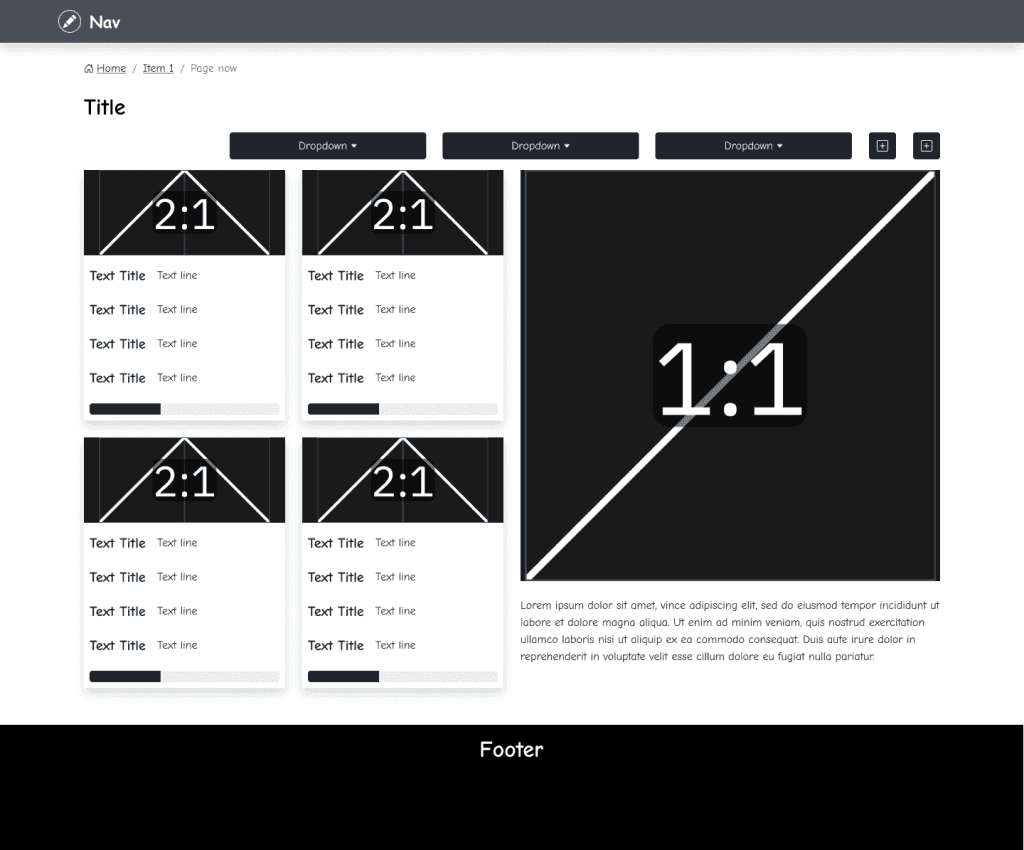
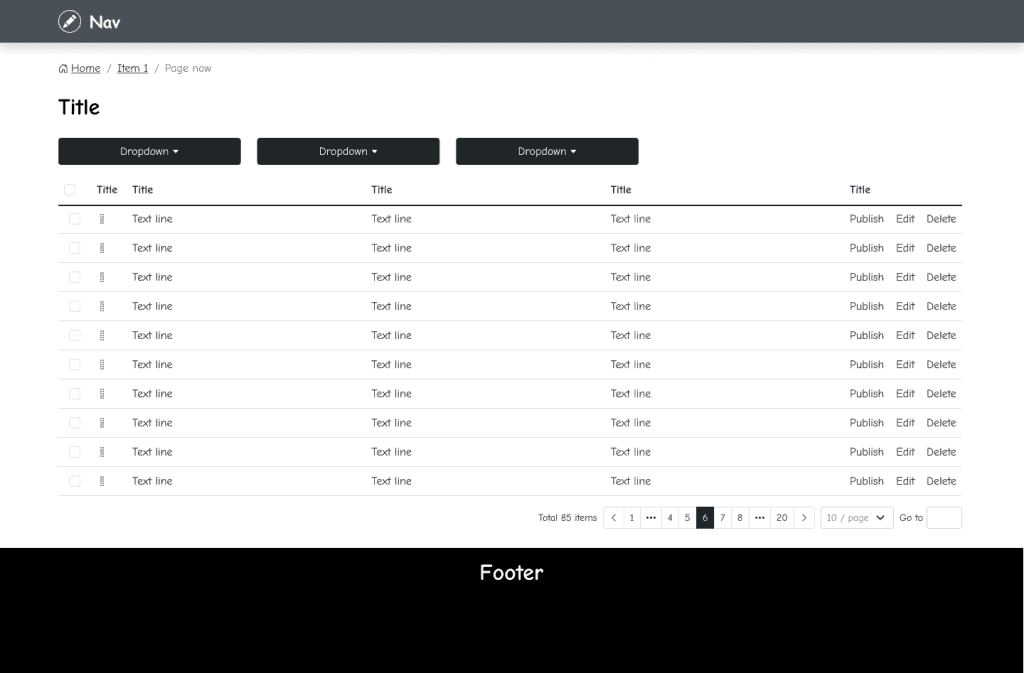
Designed dashboards that grouped submissions by status, allowing councils to quickly see which applications needed attention. Built in tools for reviewers to leave feedback, request changes, or approve directly from the dashboard.
Transparent Status Tracking
Applicants could see the live status of their submissions, reducing the need for follow-up calls or emails. Introduced progress indicators to make complex approval processes feel more predictable.
Accessibility by Default
Applied WCAG 2.2 AA standards across layouts, colour contrast, and interaction patterns. Simplified language and ensured forms used clear labels and error messages to support users with different levels of digital confidence.
Key Screens & Solutions
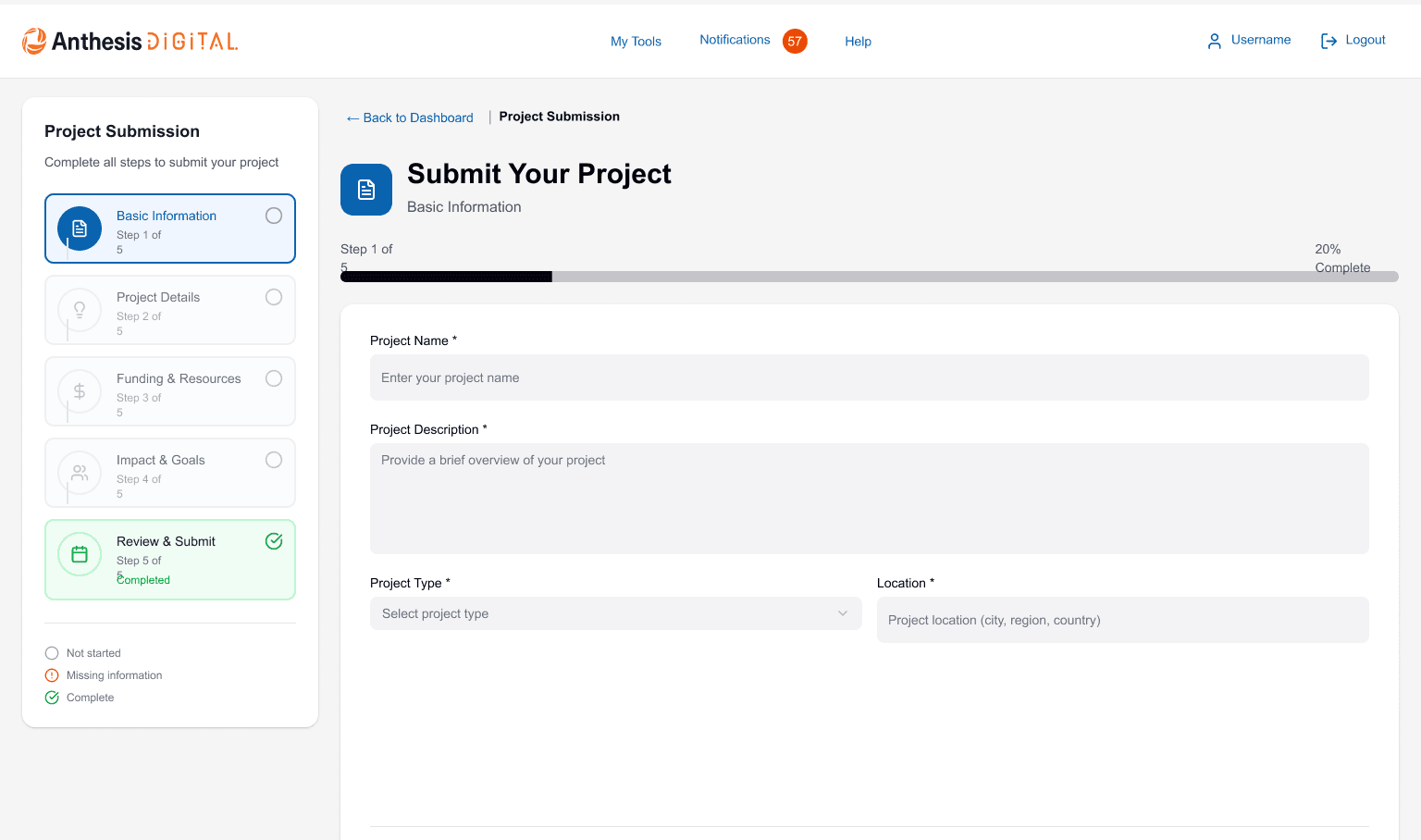
Document Submission
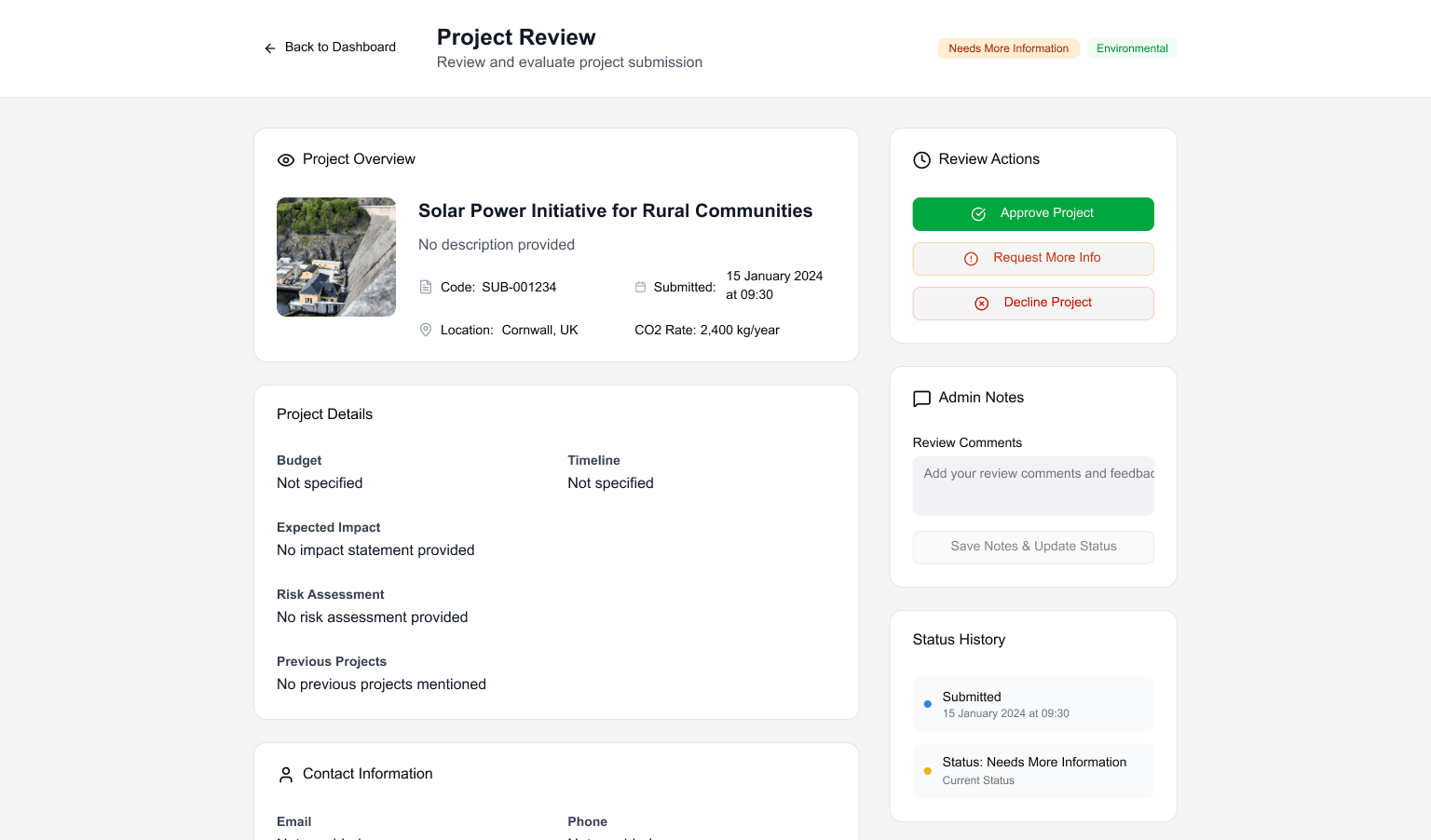
Submission Review
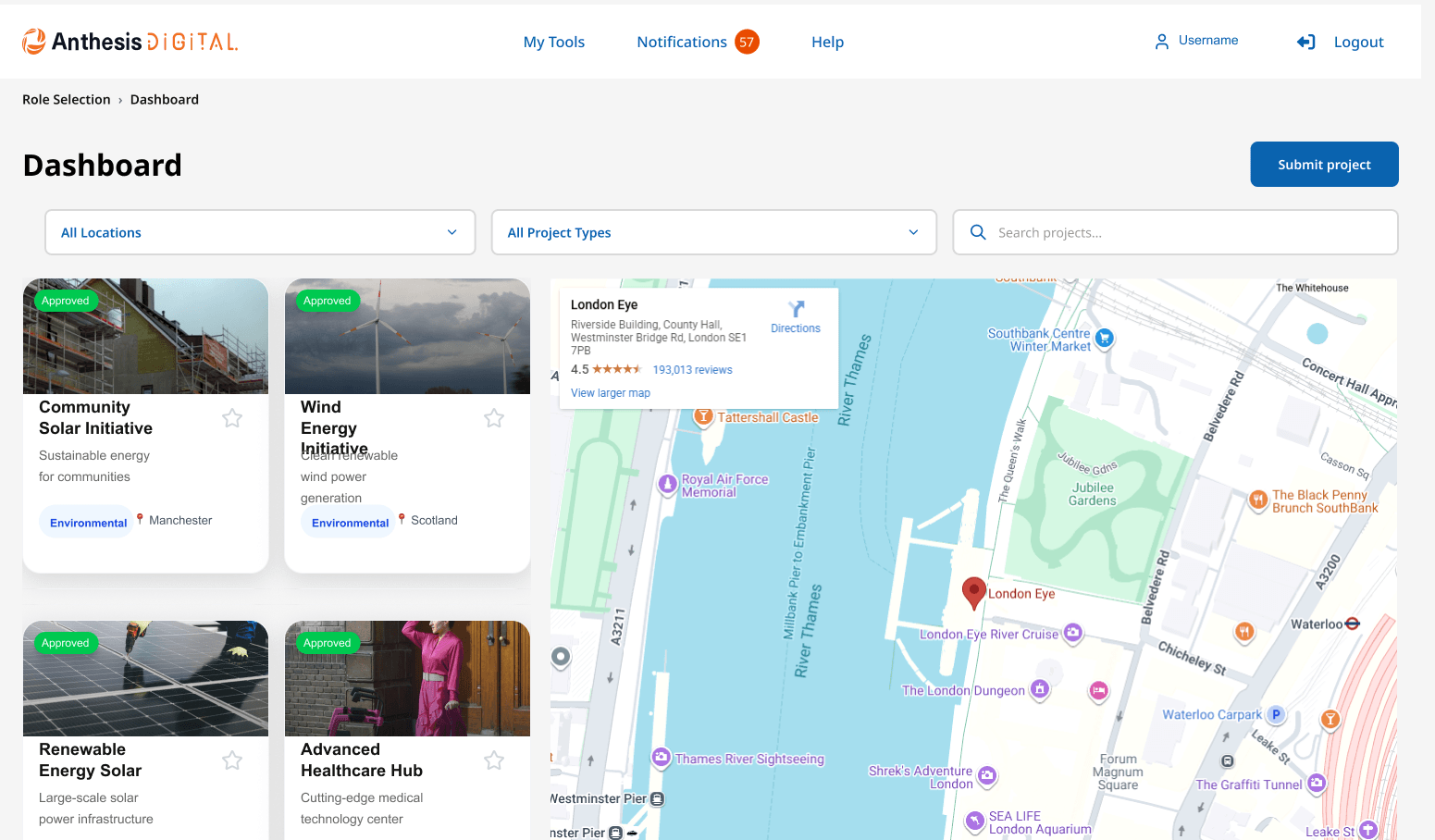
Dashboard
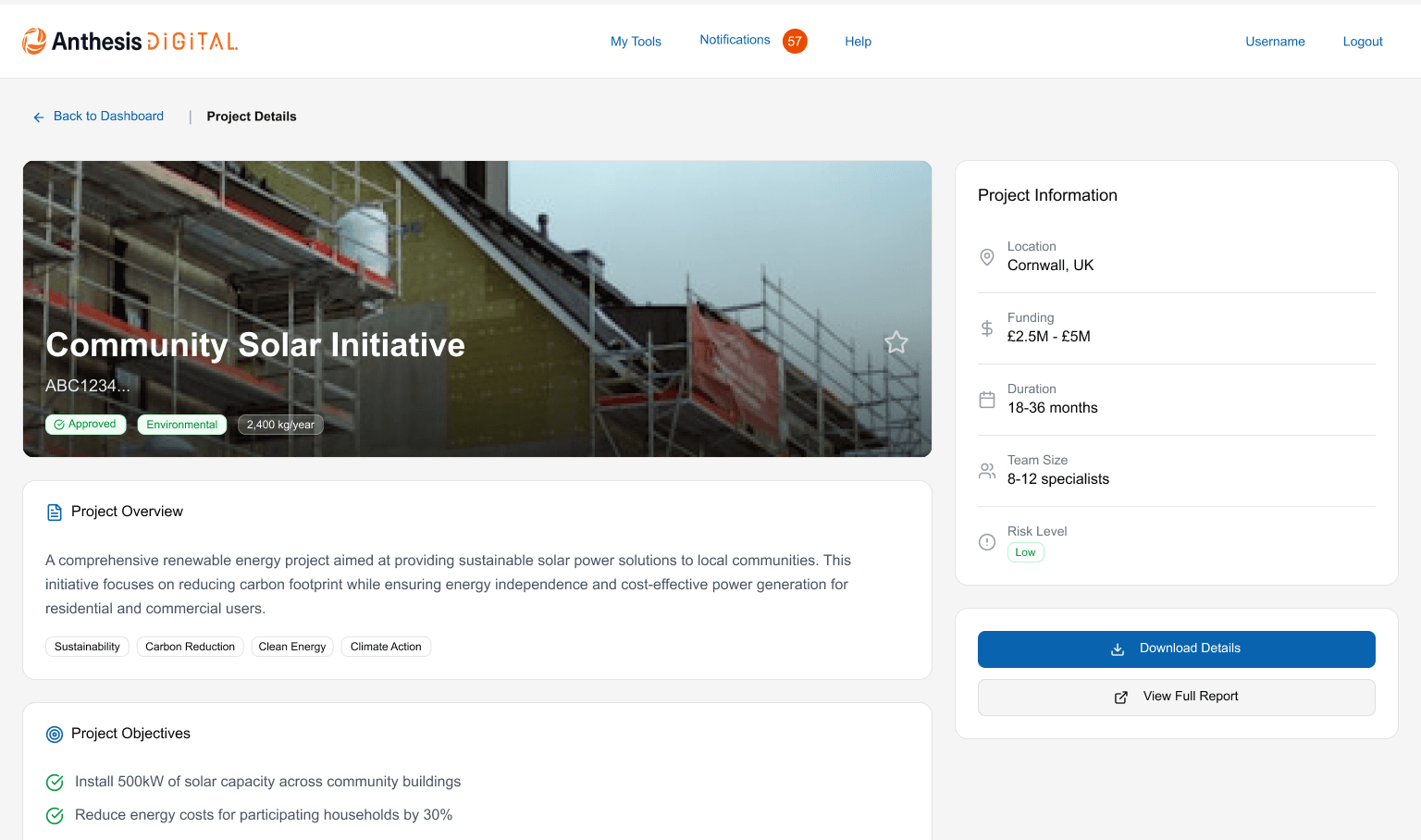
Council Overview
Outcomes & Impact
The ABI Registry platform delivered significant improvements for both applicants and councils:
By addressing both sides of the process, the platform created a smoother, more predictable journey, one where councils could manage workloads more effectively and applicants felt confident their submissions were moving forward.
Final Learnings
Designing ABI Registry reinforced the importance of creating systems that work for multiple roles with different needs. A few key takeaways:
- Structured workflows reduce friction: Guiding applicants step by step cuts down on errors and makes complex submissions feel manageable.
- Transparency builds trust: Real-time status tracking gave applicants confidence and reduced unnecessary communication overhead for councils.
- Consistency supports efficiency: A unified dashboard and review flow helped councils save time and focus on decision-making rather than administration.
- Accessibility benefits everyone: Building WCAG 2.2 AA standards into the design from the start ensured the platform could be used confidently by a broader audience.
Overall, this project showed how thoughtful UX can turn fragmented, paper-based processes into a digital system that improves outcomes for both organisations and end users.