Clinical Imaging Review Platform
Replacing fragmented offline workflows with a unified, FDA-aligned platform for medical imaging annotation and review.
- Role
- UX/UI Designer
- Client
- Confidential Healthcare AI
- Timeline
- July 2025
- Compliance
- FDA Human Factors
Overview
The Mission
In July 2025, I joined a confidential healthcare AI provider to design a web-based platform for medical imaging annotation and review. I worked closely with product leads, radiologists and developers.
The mission was to replace fragmented offline workflows with a single intuitive platform that supported safety, compliance and role clarity.
The Stakes
CT scans and other medical images are central to clinical decisions, yet existing workflows relied on DICOM viewers, spreadsheets and email chains.
This patchwork slowed reviews, introduced risk and lacked traceability. The platform needed to feel clinically trustworthy while respecting FDA guidance on usability and human factors.
Team
Product leads, radiologists and developers
Industry
Healthcare AI and medical imaging
Compliance
FDA Human Factors
Understanding the Problem
The platform needed to support three roles: Clinical Experts annotating anatomical landmarks, Physicians reviewing and approving annotations, and Admins overseeing assignments and workflow progress.
The goal was to simplify annotation and review, integrate with FDA-cleared DICOM and 3D viewer SDKs, and ensure traceability across every decision.
Challenge
Clinical workflows are precise, high-stakes and time-sensitive. Existing tools were disjointed, limiting collaboration and traceability.
Action
I conducted stakeholder interviews, workflow audits, competitive analysis and a review of FDA guidance on minimising use-related risk.
Workflow Fragmentation
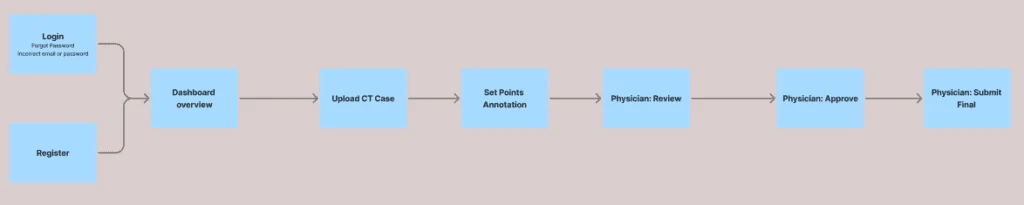
Defining the Experience
Detailed user flows, responsibility matrices and a case-lifecycle model defined how each case moved from upload to report. Every action was role-specific, reversible where possible and fully traceable.
“How can we unify medical imaging workflows into a single, safe, role-aware platform that meets FDA standards while remaining clinically intuitive?”Problem statement
Product Goals
Multi-role Interaction
Support Clinical Experts, Physicians and Admins with clear role boundaries and permissions.
Unified Dashboard
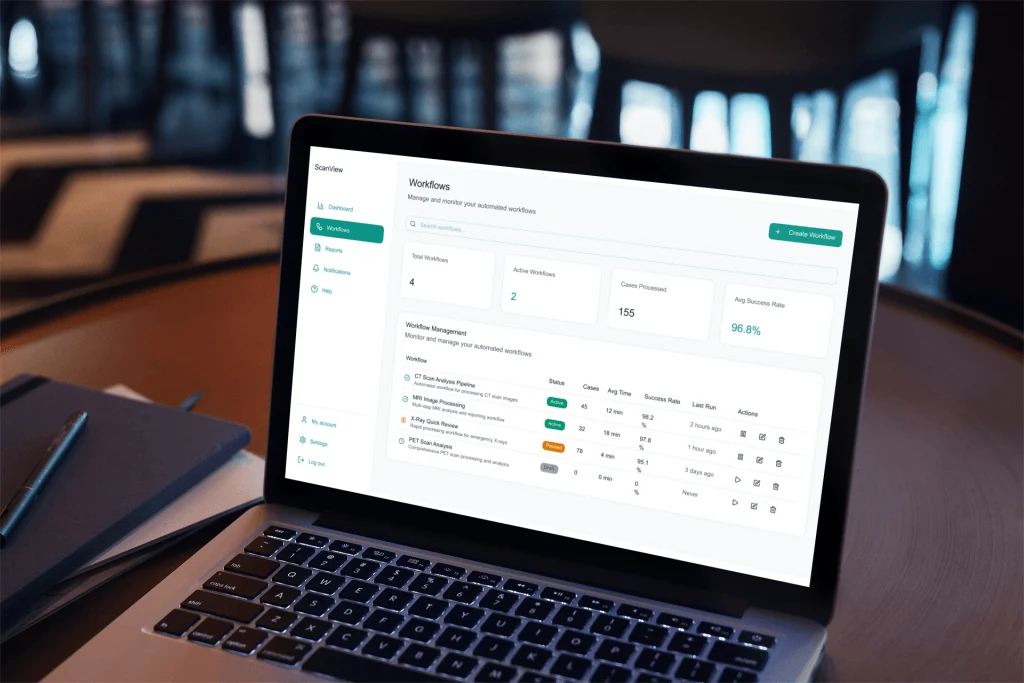
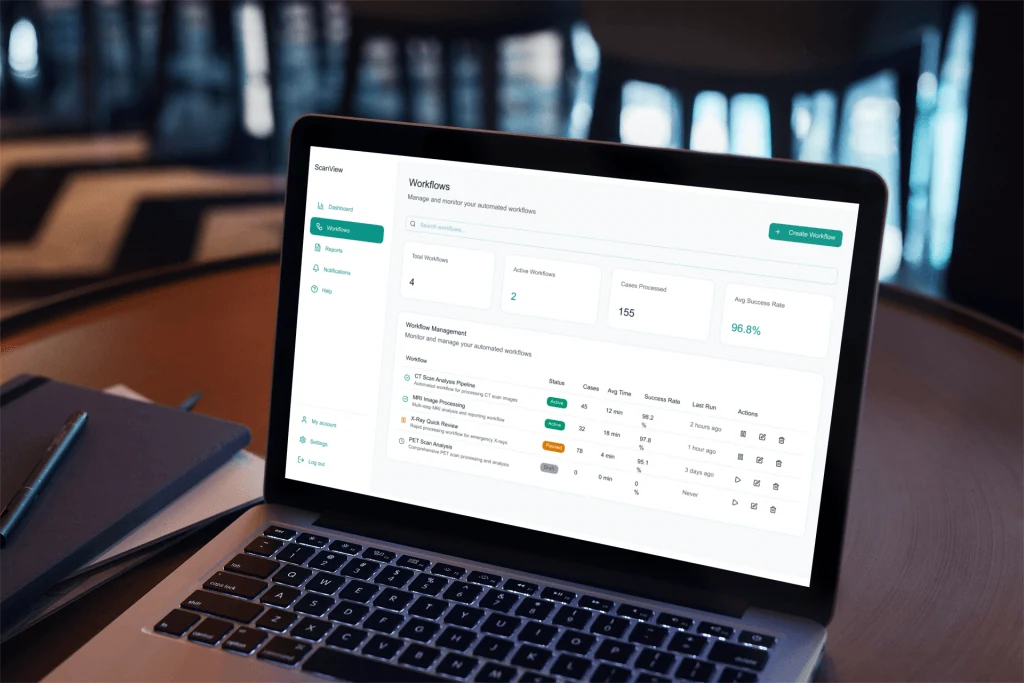
Create one source of truth for assignments, case status and workflow progress.
Integrated Viewing
Embed FDA-cleared DICOM and 3D viewer SDKs into annotation and review workflows.
Complete Traceability
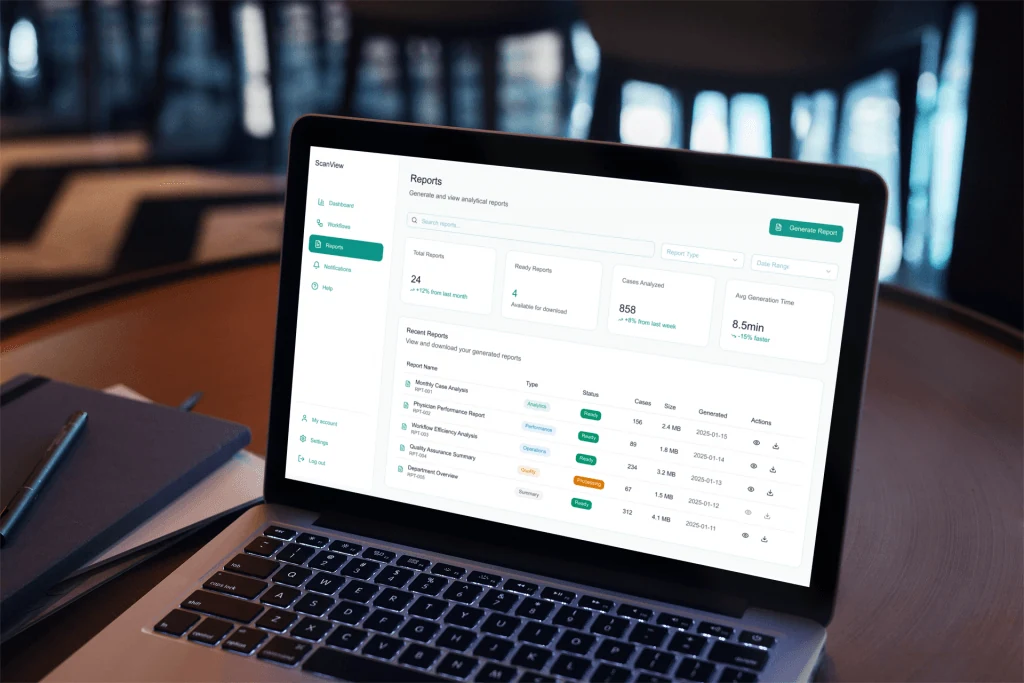
Log every annotation, decision and approval for audit and compliance.
Testing & Iteration
Multiple rounds of usability testing with radiologists and clinical experts validated the workflow and identified refinements. Each iteration moved the interface closer to the right balance of clinical precision and ease of use.
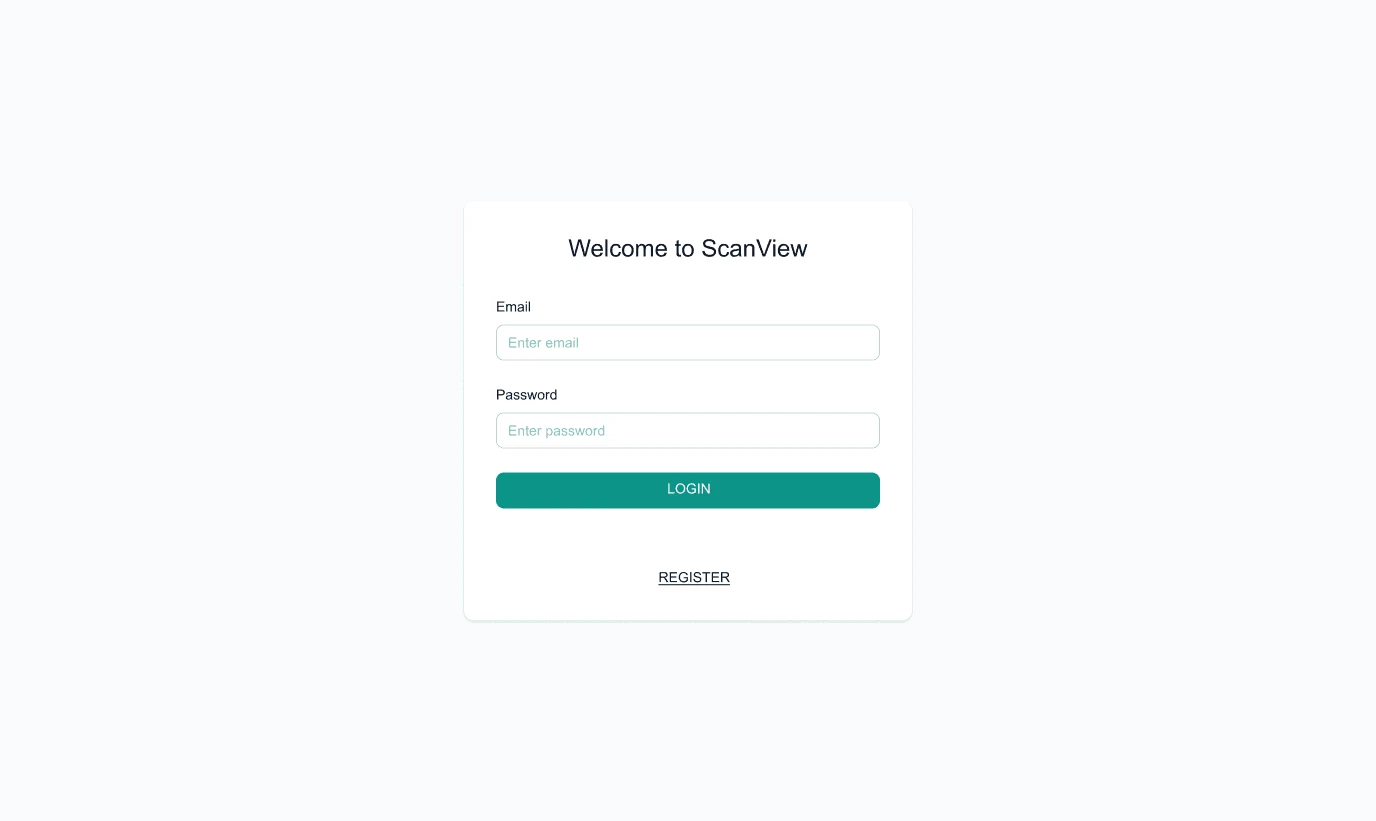
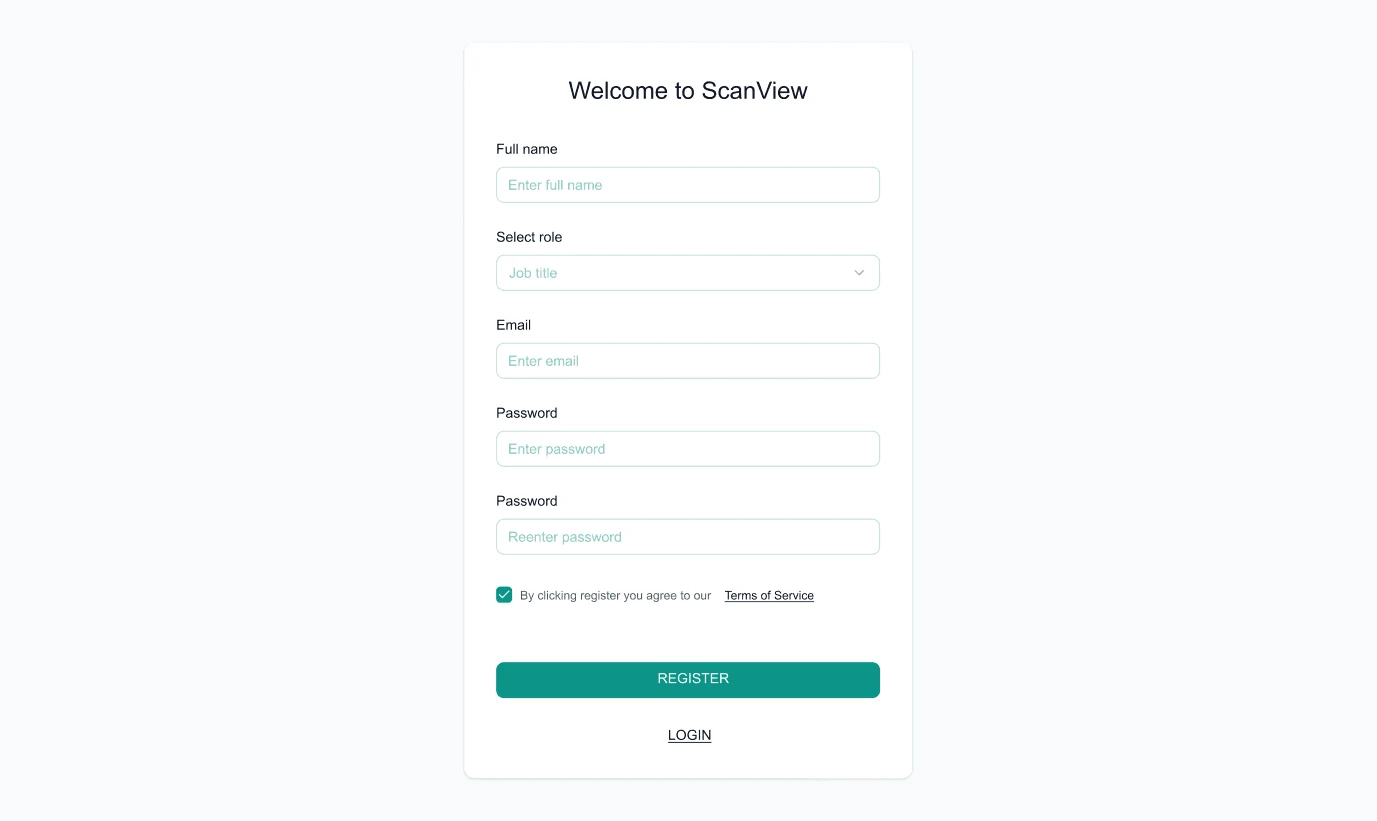
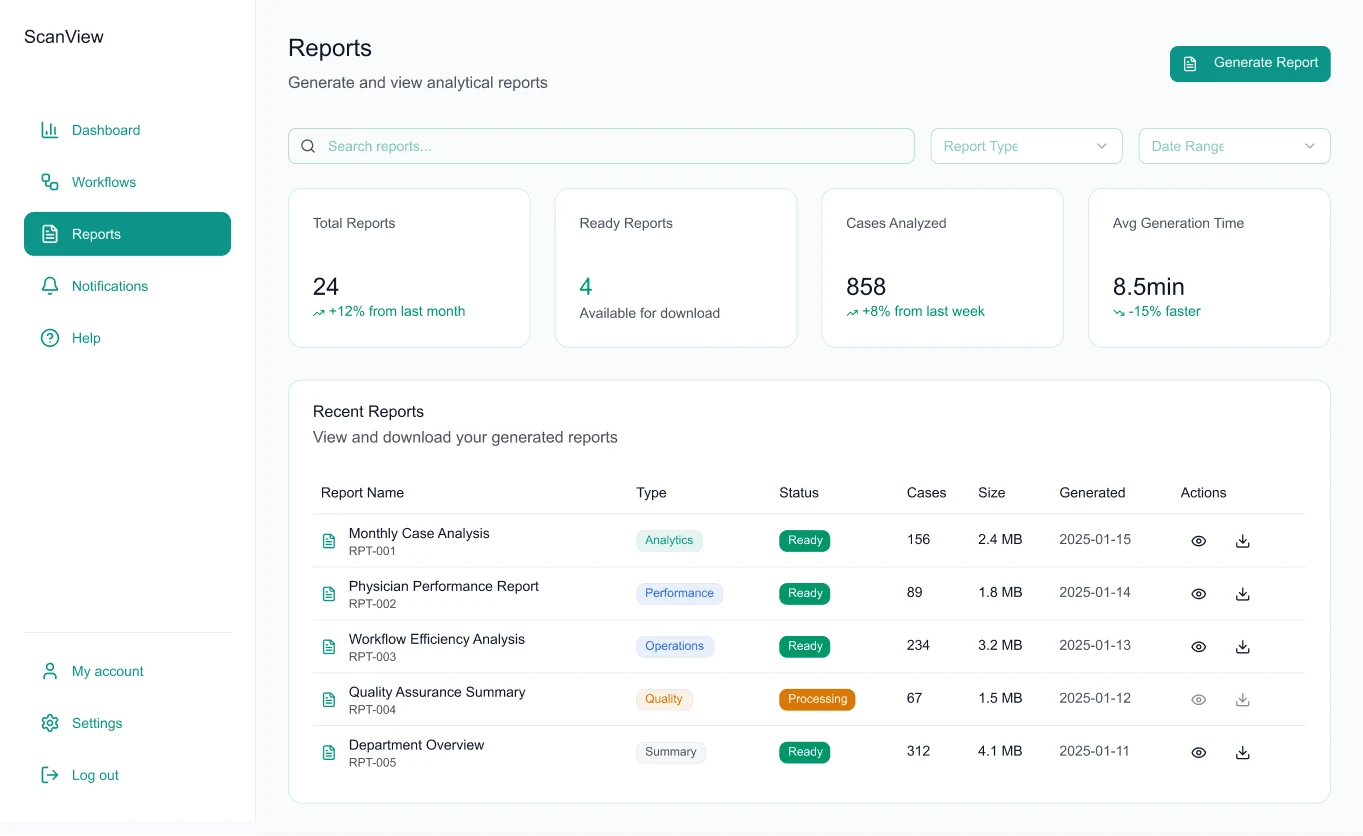
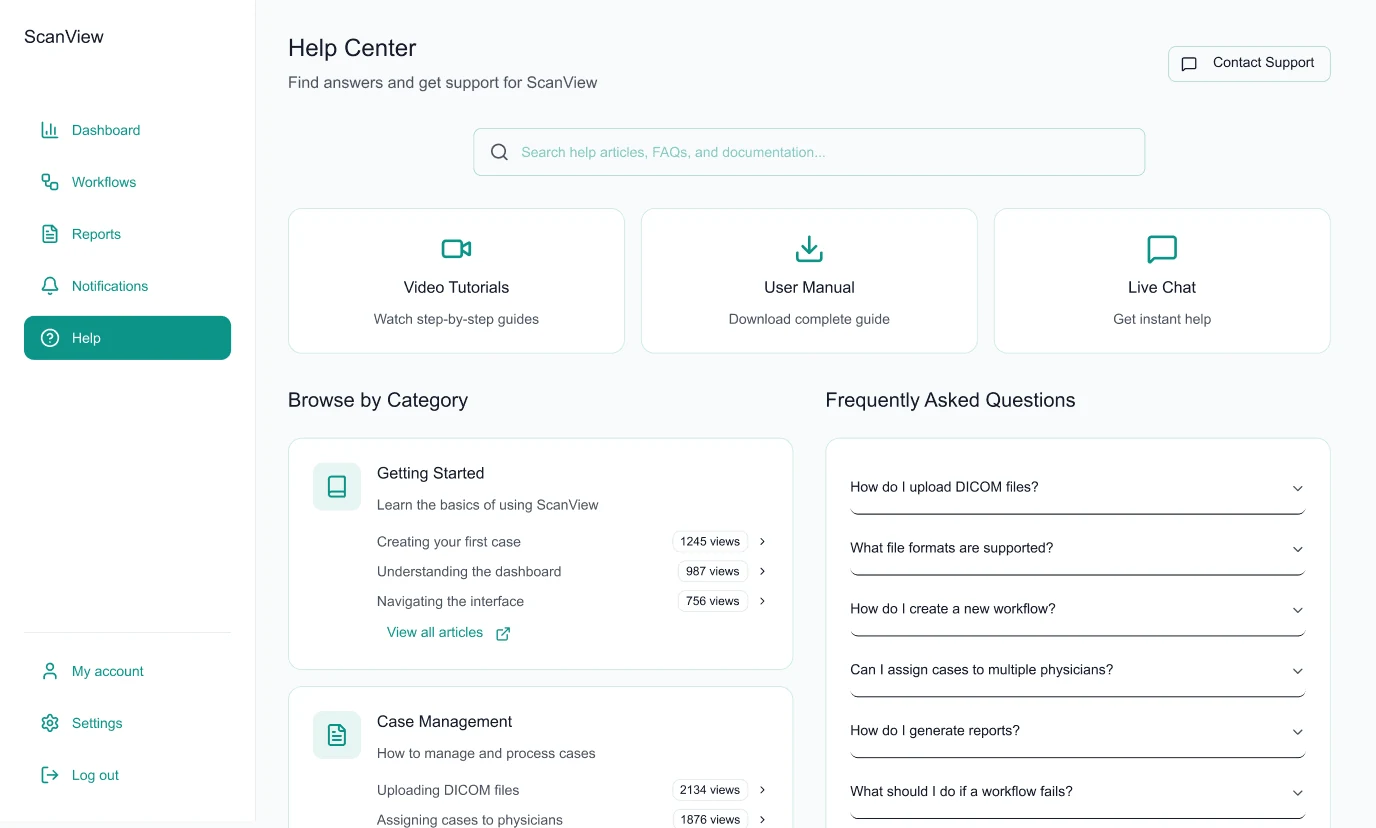
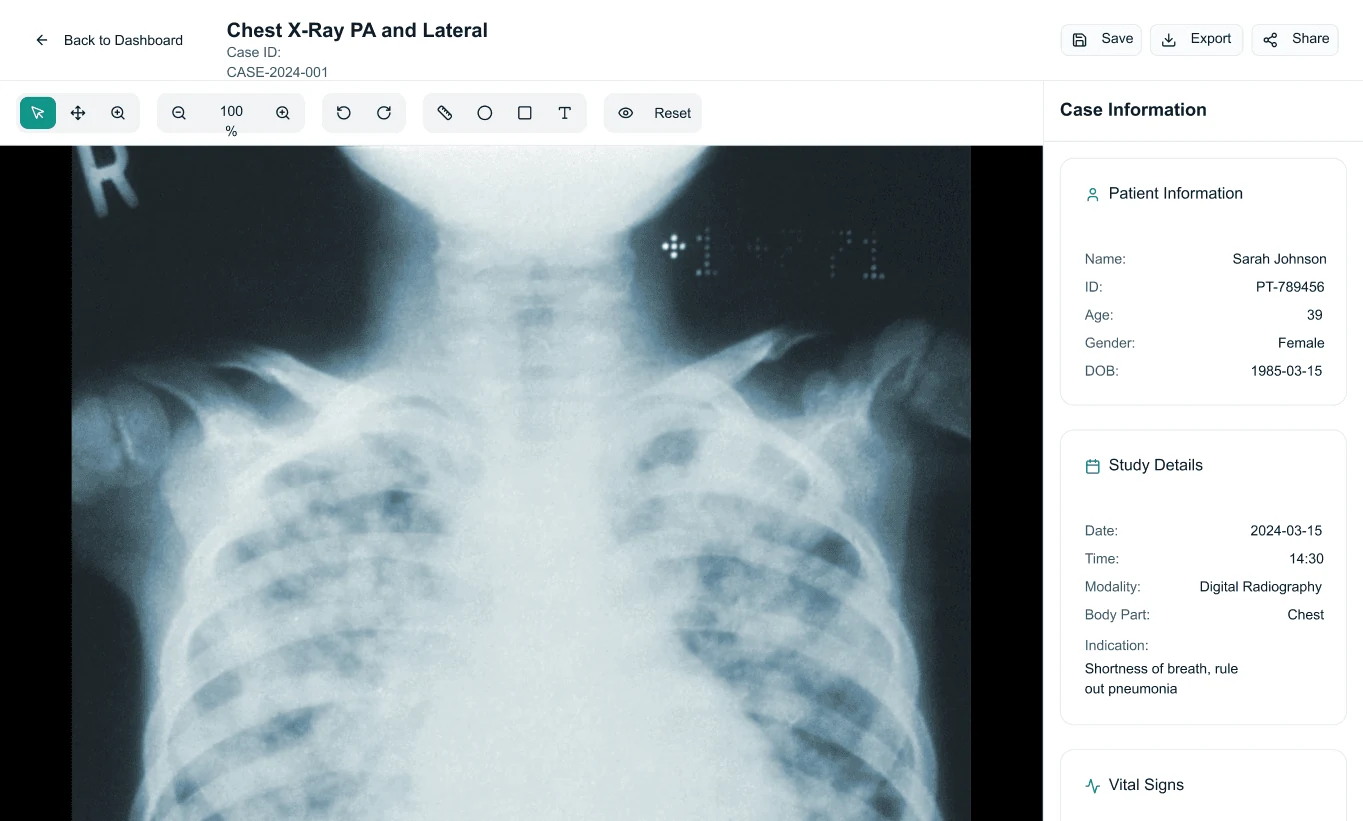
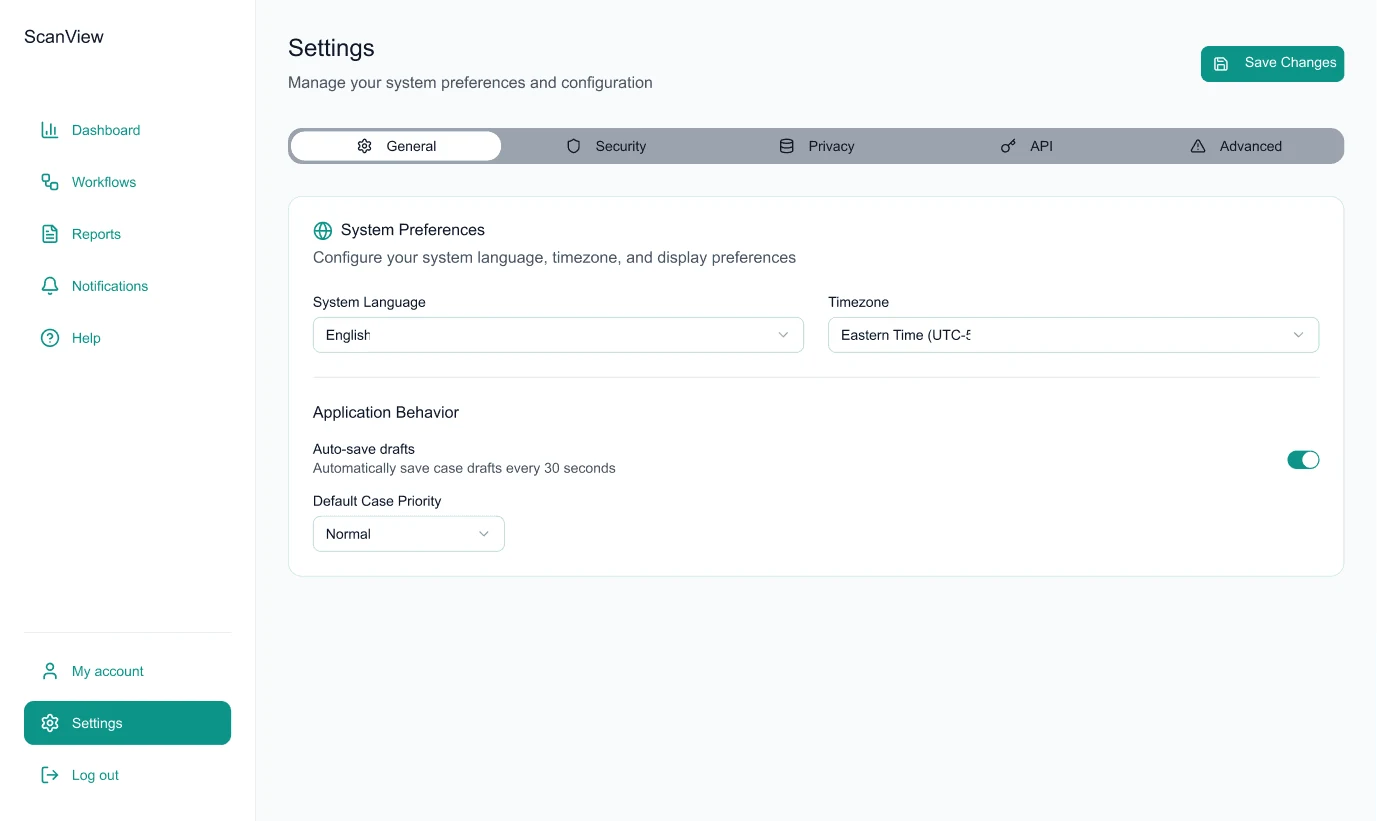
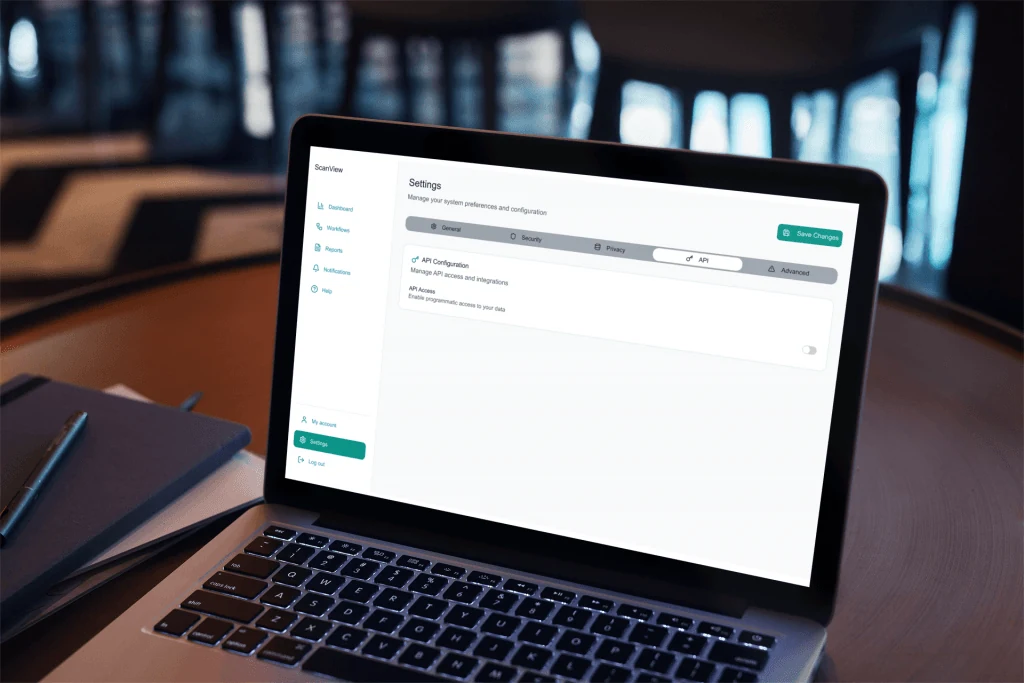
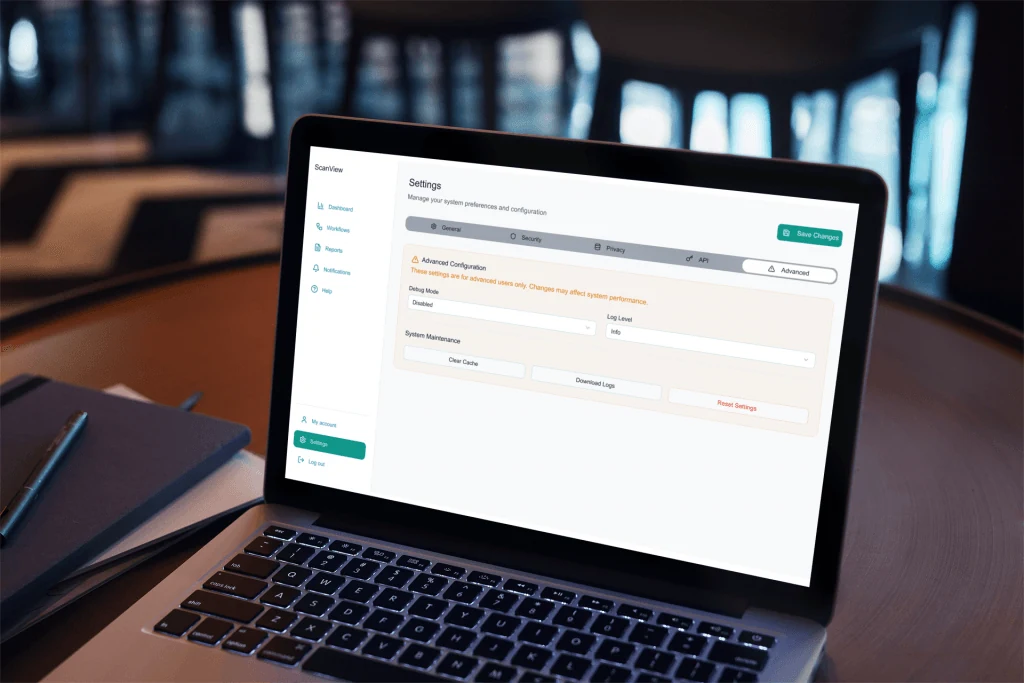
Final Designs
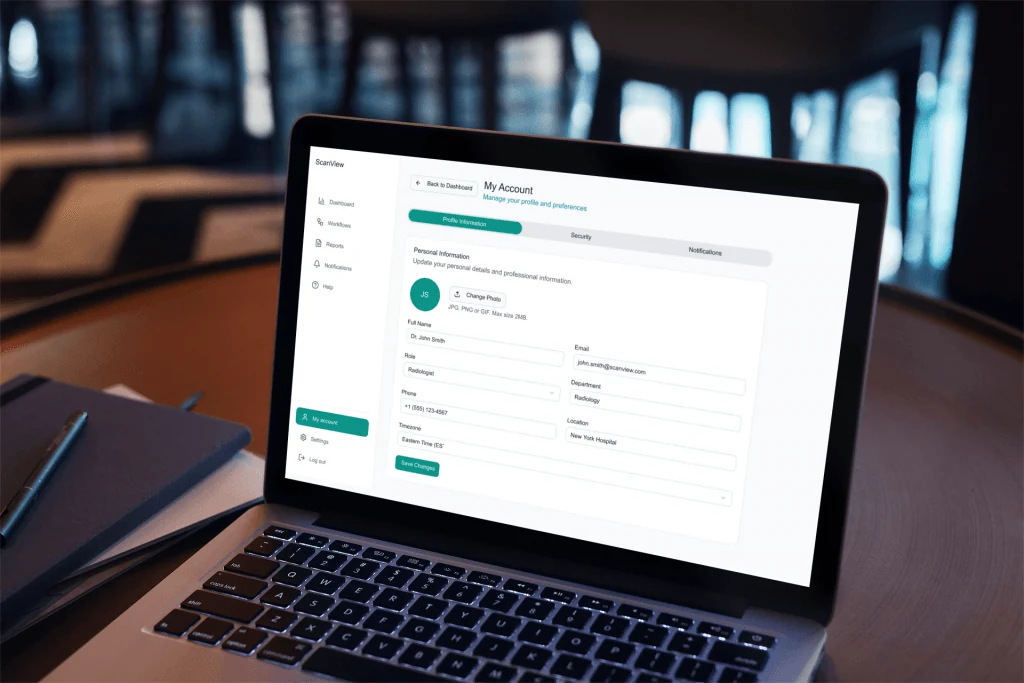
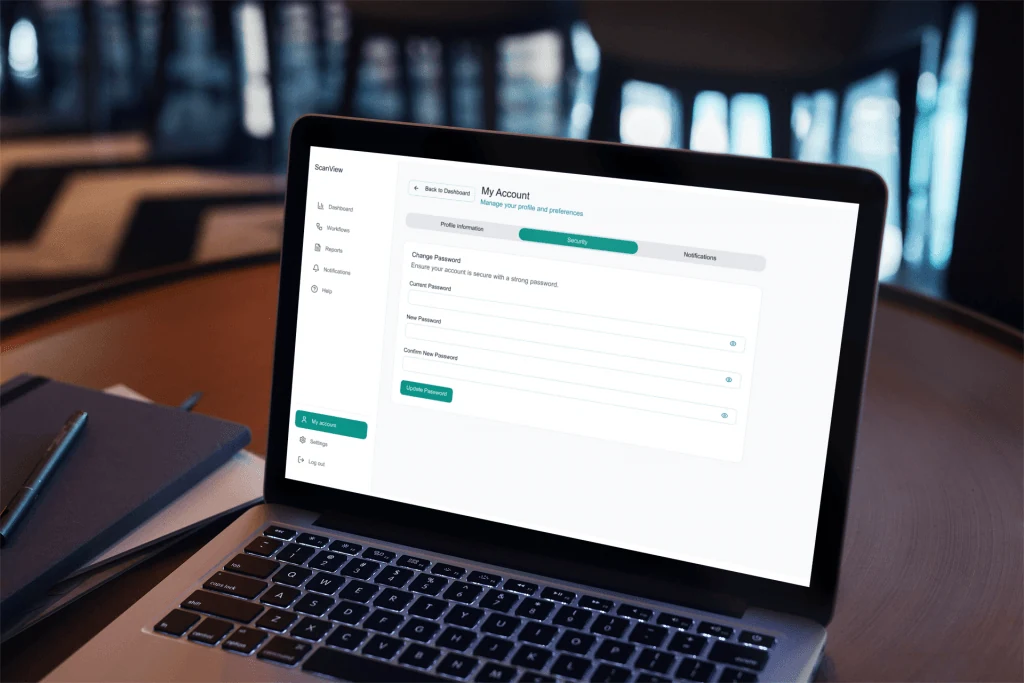
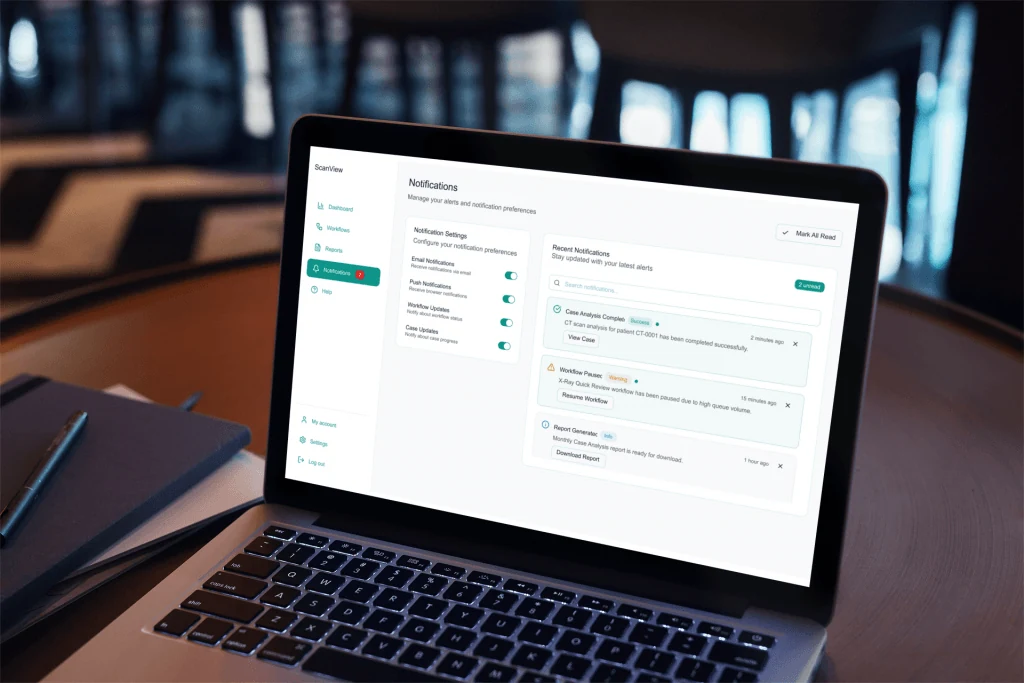
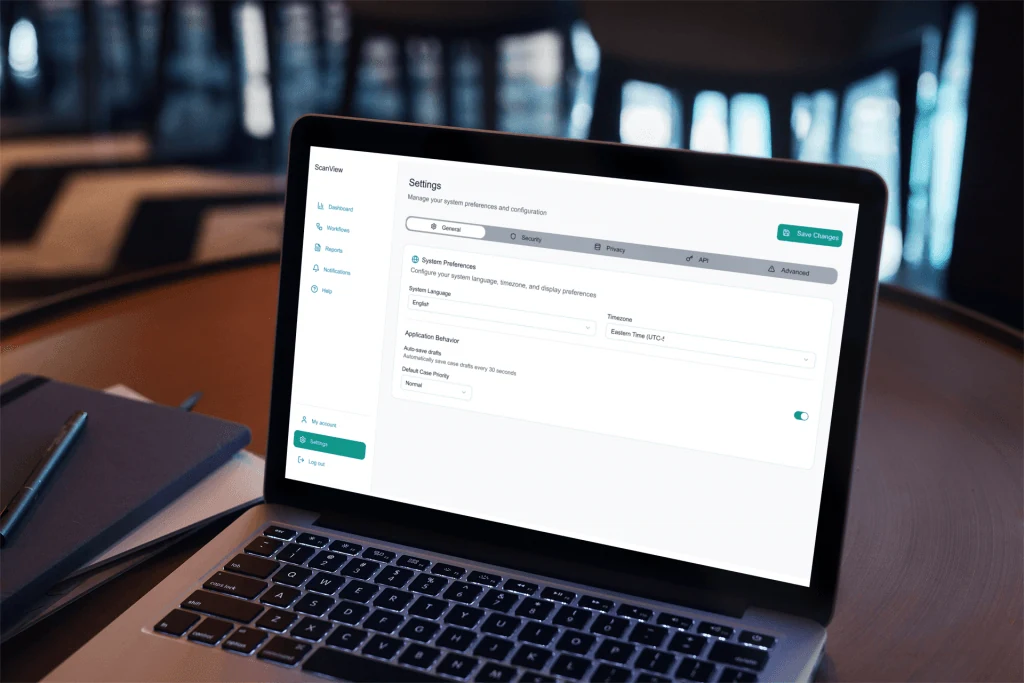
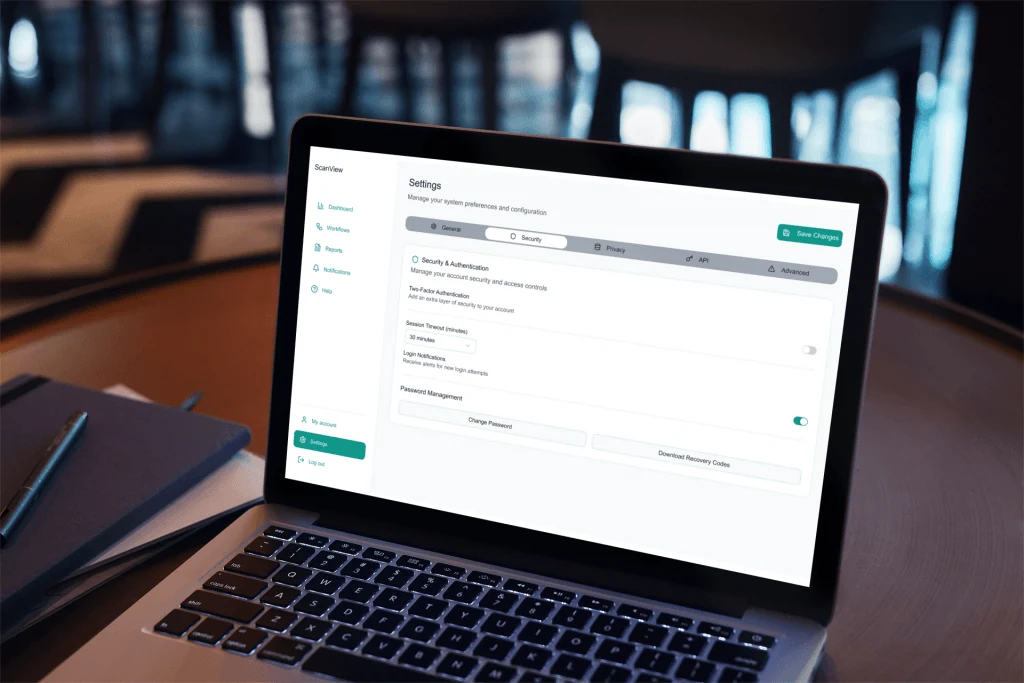
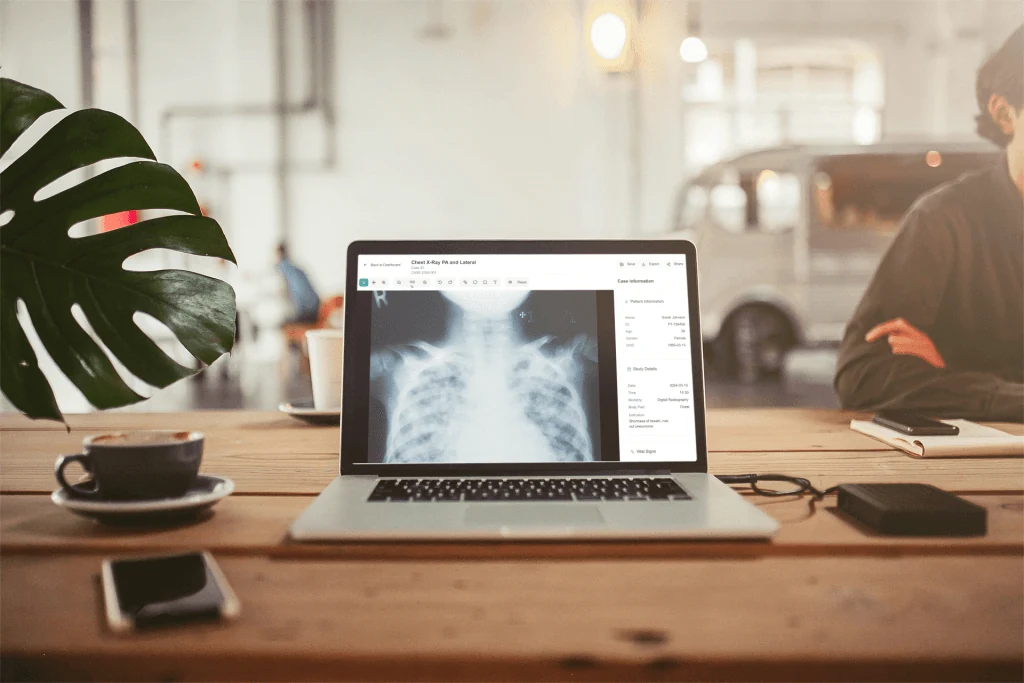
The final platform provides specialised interfaces for each user role while maintaining a consistent design language across the complete imaging workflow.

Impact & Results
Key Outcomes
- Unified fragmented workflows into one intuitive platform.
- Aligned the design with FDA Human Factors guidance through systematic validation.
- Enabled collaboration between Clinical Experts, Physicians and Admins.
- Reduced review time while maintaining clinical precision.
- Established traceability for regulatory compliance.
“The unified workflow platform significantly improved our review efficiency while maintaining the clinical precision we require. The interface is intuitive and the role-based access controls meet our compliance standards.”Senior Radiologist, Major Teaching Hospital