Zero-to-One Product Design
LCA Calculator: Making Life Cycle Assessment Understandable
Anthesis needed to turn a complex Life Cycle Assessment methodology into a digital product that could be used beyond specialist LCA practitioners. I worked with LCA experts, consultants, clients, and non-expert users to understand what had to remain scientifically rigorous and what needed to become clearer, more guided, and easier to complete.
- Client
- Anthesis
- Role
- UX/UI Designer
- Timeline
- 2022–2024
- Scope
- Zero-to-one assessment workflow, interaction design, testing
Context
Life Cycle Assessment is technically demanding. A credible assessment depends on correct methodology, the right data, and an understanding of how materials, manufacturing, transport, use, and end-of-life affect environmental impact.
The opportunity was to build a calculator from zero to one that preserved that expertise while making the process understandable for people who did not work with LCA methodology every day.
My Role
I was the solo UX/UI designer in a cross-functional product team, working alongside product, development, QA, LCA specialists, consultants, and users.
My role was to translate expert knowledge into a usable product structure: defining the assessment journey, information hierarchy, interaction patterns, guidance, validation, and the way results were communicated back to users.
Testing turned a complex assessment into a much shorter, more usable workflow.
These results came from the assessment iterations, including the change that moved finished-product questions out of every component and into one dedicated stage.
The challenge was not to simplify the science. It was to make the science usable without requiring every user to become an LCA expert.
Experts needed confidence that the methodology remained accurate. Non-expert users needed to know what to do next, what information was required, why it mattered, and how far they had progressed through the assessment.
What the product needed to get right
- Keep the assessment method credible for LCA specialists and consultants.
- Guide non-experts through unfamiliar terminology and data requirements.
- Break a long assessment into manageable steps without hiding necessary detail.
- Reduce repeated data entry and prevent users from losing confidence part-way through.
- Turn complex assessment outputs into results users could understand and discuss with stakeholders.
Experts established correctness
LCA experts and consultants helped define the methodology, terminology, data requirements, and where simplifying the experience could create scientific risk.
Non-experts established clarity
Non-expert users helped expose where terminology, navigation, repeated inputs, and unfamiliar data requirements made the process difficult to understand.
Clients grounded the workflow
Anthesis clients helped us understand how the calculator would fit into real sustainability work rather than designing only around an internal model of the process.
Understanding the problem first-hand
I also used OpenLCA myself. I spent roughly three hours working through data imports, unfamiliar terminology, and an unclear workflow before giving up. That experience made the problem tangible: even a capable user could become lost when the interface assumed too much prior LCA knowledge.
Alongside stakeholder interviews, focus groups, and competitor reviews of tools including Ecochain Helix, Sphera GaBi, One Click LCA, and OpenLCA, the same themes kept appearing: setup felt overwhelming, navigation was disjointed, users were unsure where to find the right data, and progress was difficult to judge.
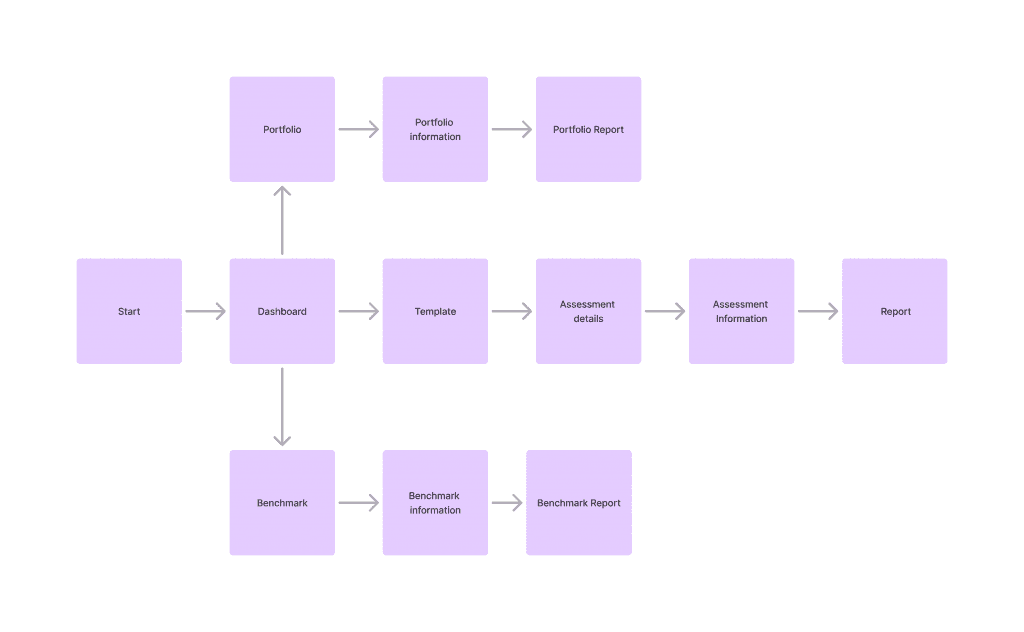
1. Mapped the assessment journey
I worked with domain experts to understand the sequence of an LCA assessment, the dependencies between stages, and the information users needed before they could move forward confidently.
2. Translated expertise into guidance
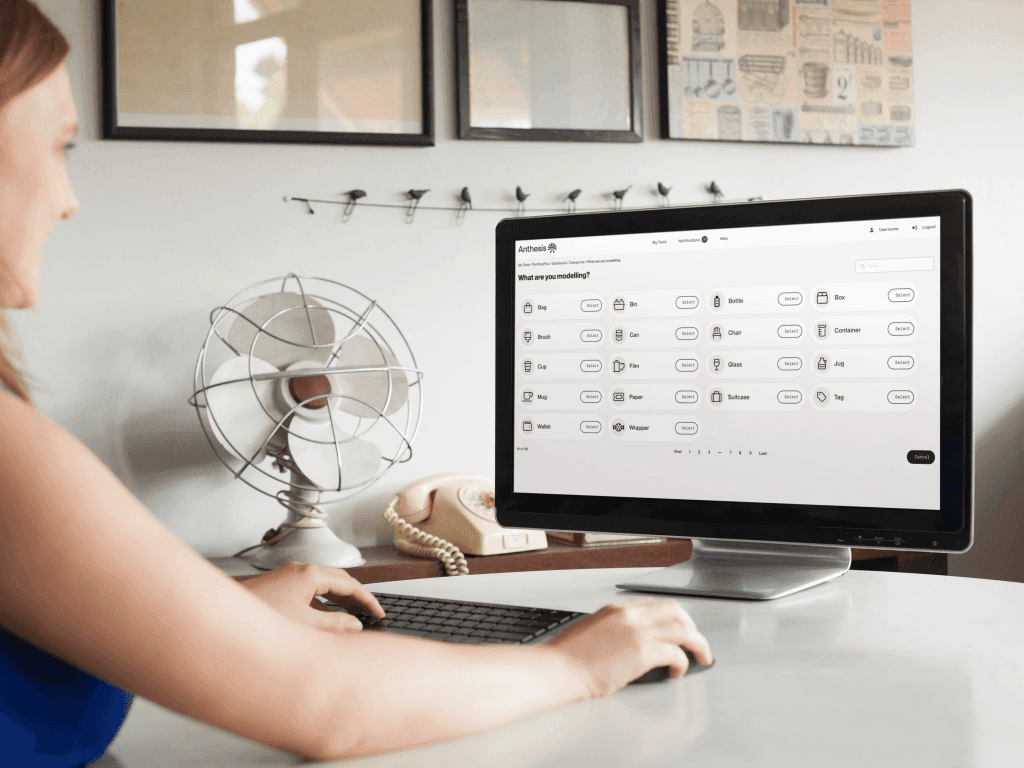
I restructured the methodology into a guided workflow using progressive disclosure, contextual help, structured inputs, and clear feedback instead of exposing the full complexity at once.
3. Tested both sides of the experience
Experts helped validate accuracy while non-expert users showed whether the same workflow was understandable without specialist knowledge. That balance drove the iterations.
Assessment User Flow
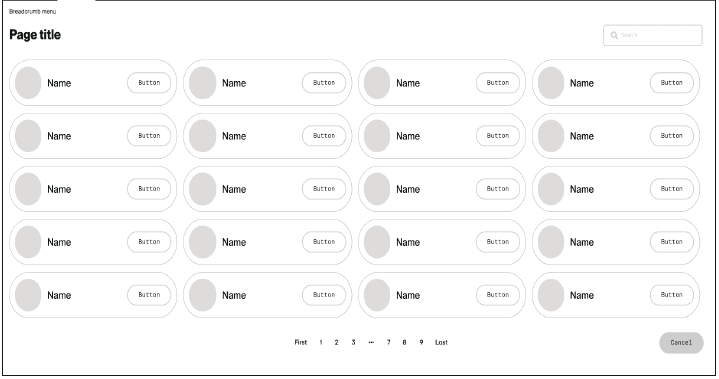
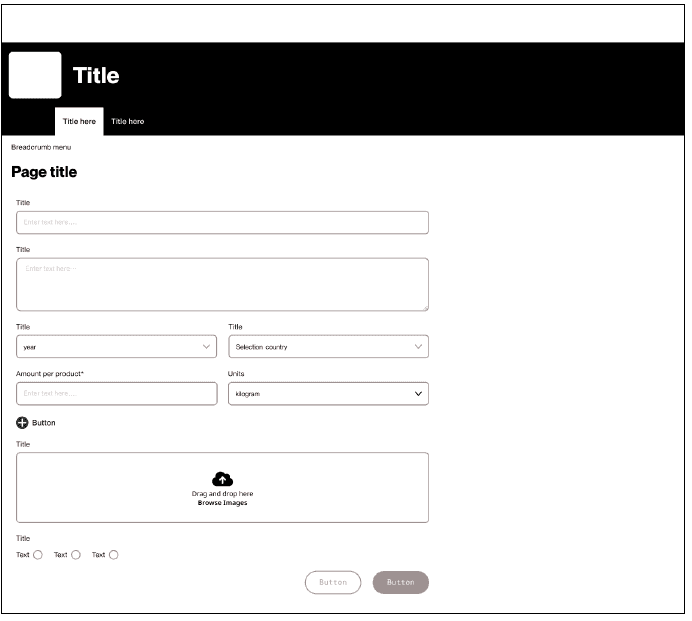
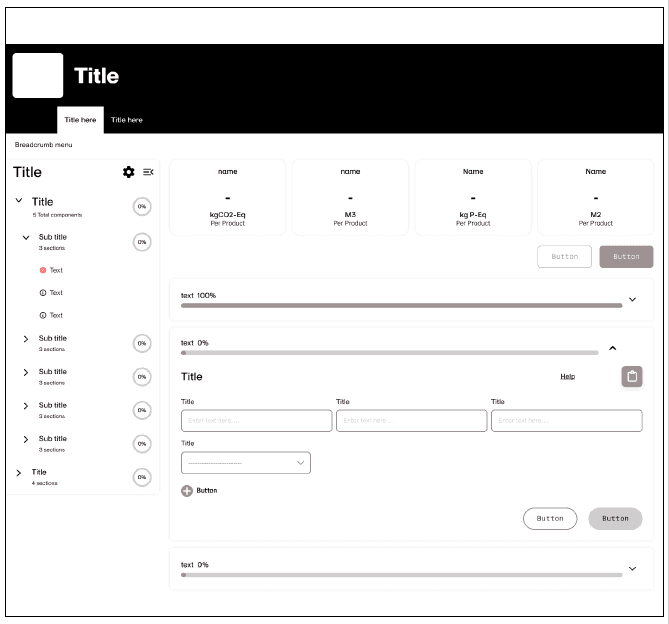
Wireframes & Workflow Exploration
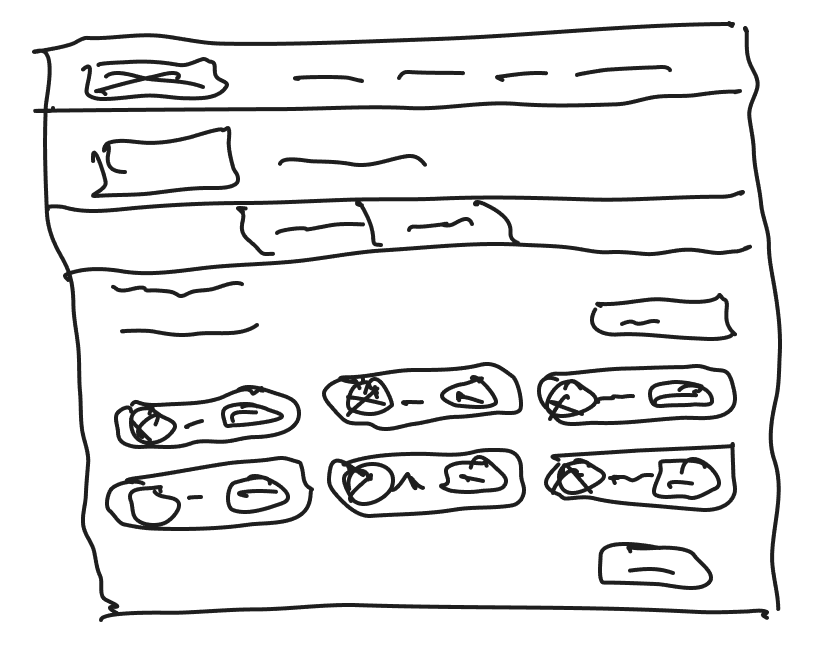
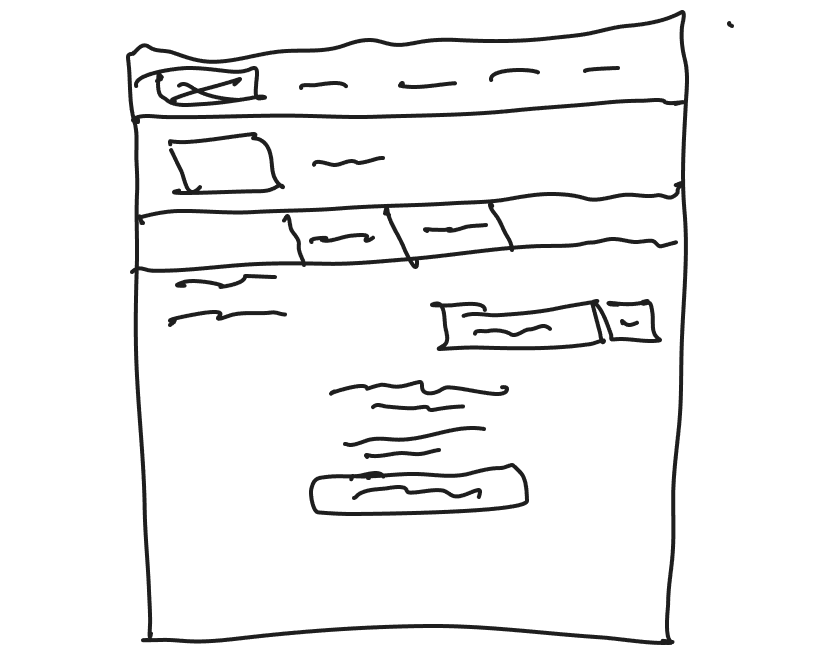
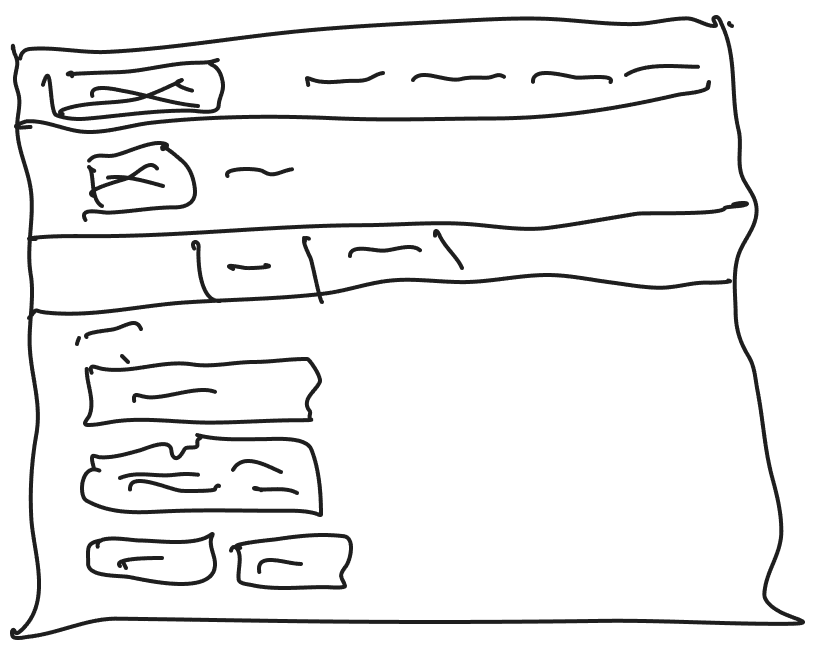
The interface had to reduce cognitive load without stripping away the detail required for a credible LCA.
Most of the design work was about deciding where complexity belonged, what users needed to see now, and what could wait until it became relevant.
Guide the assessment
Problem: Non-experts were being asked to deal with unfamiliar terminology and data requirements before they understood the overall process.
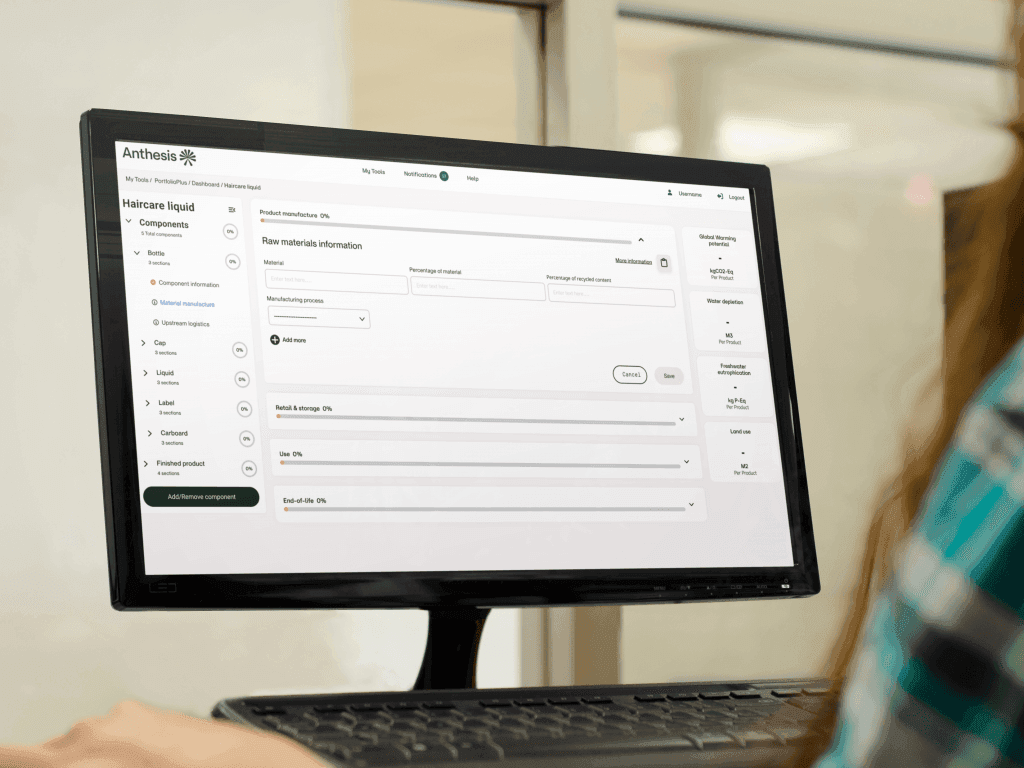
Decision: I used a step-by-step structure with progressive disclosure so users could focus on the current task while still completing the full methodology.
Structure the data entry
Problem: Users did not always know what information they needed, where to find it, or why a field mattered.
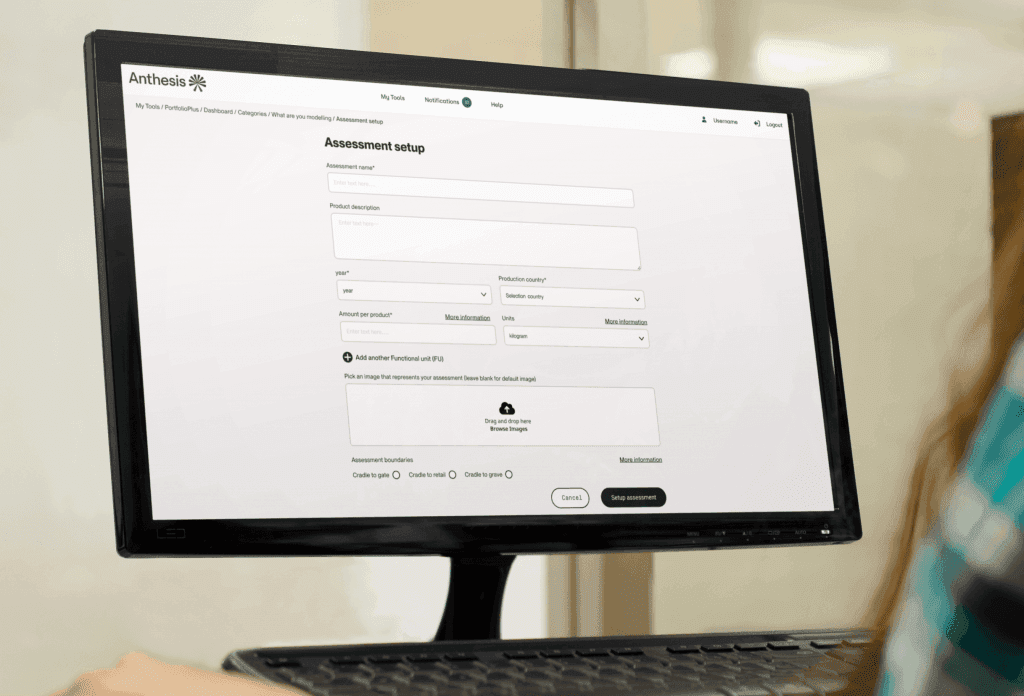
Decision: I introduced clearer grouping, structured controls, contextual guidance, validation, and sensible defaults where appropriate.
Make progress visible
Problem: Long technical workflows are difficult to trust when users cannot see whether their inputs are building toward a meaningful result.
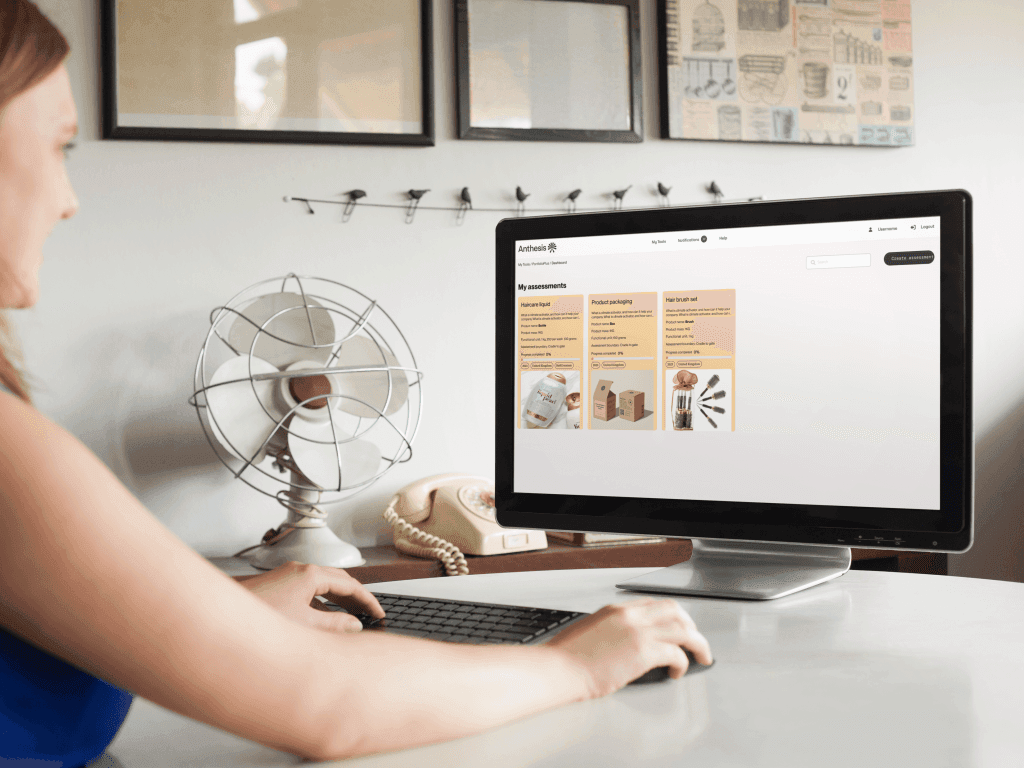
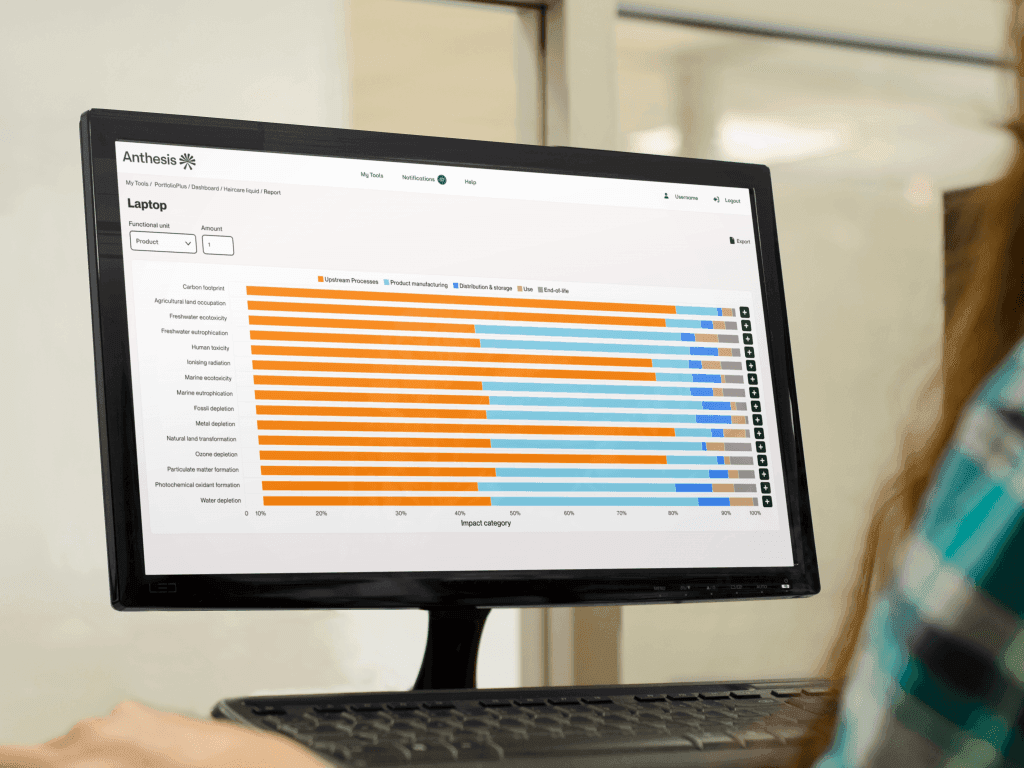
Decision: I used clear progression, visual feedback, and results views that connected entered data back to environmental impact.
Testing-driven structural change
Create a Finished Product stage instead of repeating product-level questions inside every component
This was the most important workflow correction because testing showed that the problem was not simply form length. The questions were sitting at the wrong level of the assessment.
Four finished-product questions were placed inside every component, so the same answers were requested again each time another component was added.
LCA experts pointed out that those answers described the finished product as a whole. Repeating them for each component created unnecessary work and duplicate data.
I removed the four questions from every component and added them once at the end, after the user had completed the component-level information.
The workflow became more logical and removed redundant data at its source. Across the tested assessment, average completion time fell from 45 to 16 minutes and drop-off at step 3 fell from 50% to 15%.
Testing had two jobs: protect the methodology and prove that someone without deep LCA knowledge could still use it.
We tested with sustainability experts and business users, looking at task completion, time taken, points of hesitation, and user confidence. The mixed participant groups were important because an interface can feel obvious to an expert while remaining confusing to the person it is meant to help.
What changed after testing
- Testing showed that four finished-product questions had been placed at component level even though the answers applied to the product as a whole. I removed them from every component and created a dedicated Finished Product stage at the end of the assessment.
- The step-by-step structure helped non-experts describe the process as more approachable rather than intimidating.
- Users moved through assessments more efficiently once redundant input was removed.
- Testing with both expert and non-expert groups exposed different issues and prevented the product from being optimised for only one level of knowledge.
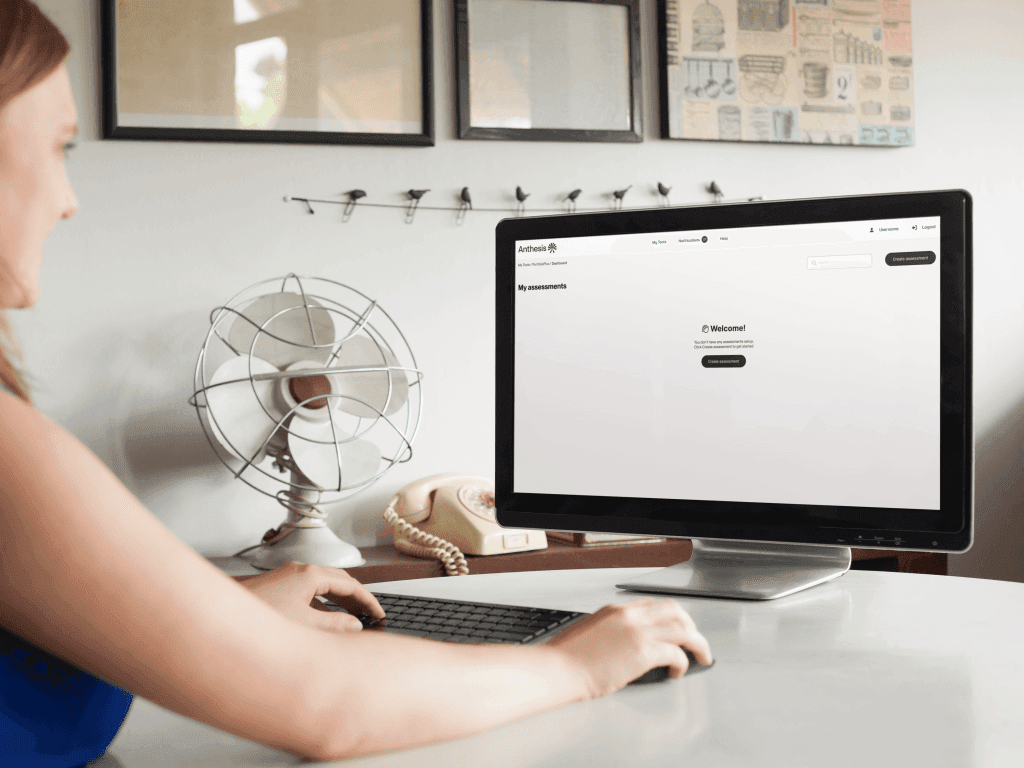
The resulting product structure
What the project achieved
As a zero-to-one product, the most important outcome was establishing a usable model for completing an LCA without assuming specialist knowledge at every step.
- Average assessment completion time reduced from 45 minutes to 16 minutes in testing.
- Drop-off reduced from 50% to 15% after the assessment structure was revised.
- Four finished-product questions were removed from every component and answered once in a dedicated Finished Product stage.
- A guided assessment journey built around the underlying LCA methodology.
- Clearer data entry through structured inputs, contextual guidance, and progressive disclosure.
- A workflow tested from both expert and non-expert perspectives.
- Results designed to make complex sustainability information easier to understand and communicate.
- A reusable component approach that gave the product a scalable UI foundation.
Accessibility was treated as part of the product rather than an add-on, with the interface designed around WCAG AA requirements and responsive use across desktop and tablet layouts.
Expert accuracy and usability are not opposing goals
Domain experts helped protect the integrity of the methodology; non-experts showed where the interface needed to do more of the explanatory work.
Progressive disclosure works when the sequence is right
Hiding complexity is not enough. The product still needs to introduce the right information at the moment a user can understand and act on it.
Put data at the level where it belongs
The problem was not simply that four questions were repetitive. They were product-level questions placed inside component-level workflows. Testing exposed the mismatch, and separating component data from finished-product data removed the redundancy at its source.
Test across levels of domain knowledge
An expert can validate whether a workflow is correct. A non-expert can reveal whether that same workflow is understandable. Complex products need both perspectives.
The LCA Calculator reinforced that designing for complexity is not about removing expert detail. It is about creating the structure, guidance, and feedback that let people use that expertise without being overwhelmed by it.
Designing a Complex SaaS Product?
I help product teams turn complex requirements, workflows, and specialist knowledge into clear, accessible product experiences.
Discuss a Project